Outdoor dining matters because the setting changes how a meal feels: light, air, sound, temperature, and the distance between tables all become part of the experience. A patio can support an easy conversation or make it difficult. Its usefulness depends on the actual conditions and the guests, not simply on whether the restaurant offers seats outside.
The same principle applies indoors. Atmosphere is a working arrangement of sensory and practical details. Good design helps people eat, talk, and move comfortably. Attractive photographs can suggest that arrangement, but they cannot establish how a particular table will feel during a real service.
Daylight and shade shape the table
An outdoor table can change substantially over the course of a meal. Shade at arrival may move away before dessert, while a pleasant breeze can become a persistent draft. Ask about the likely conditions for the booking time rather than relying on a photograph taken during another season.
Shade should work for the whole table. One guest facing direct glare may struggle while everyone else feels comfortable. A canopy can reduce exposure without solving reflected light from nearby glass or pale surfaces. The right question is where the group will sit and whether moving is possible if conditions change.
Temperature preferences vary. Some guests enjoy a cool evening; others become uncomfortable quickly. Ask whether the restaurant offers an indoor alternative and whether that alternative is guaranteed or subject to availability. A vague promise to “work something out” is a weaker plan for a gathering with specific needs.
Sound can be more important than scenery
A beautiful patio can face a busy street, a service area, or another loud dining section. Outdoor space does not automatically mean quiet. Listen for the kinds of sound likely to interrupt conversation, and ask the restaurant where a discussion-focused party would be most comfortable.
Indoors, hard surfaces can make a room feel lively while increasing the effort required to hear. Soft materials, table spacing, and music volume can all contribute to the experience. A guest does not need an acoustic analysis to ask for a quieter section or choose an earlier service.
For a social meal, consider the people rather than the mood board. If the reason for gathering is to catch up, audible conversation may matter more than an especially dramatic room. Our group dining guide connects that choice with table shape, timing, and booking questions.
Comfort is built from ordinary details
Seats need to suit the intended length of the meal. A stool that works for a short drink may feel different during several courses. A low lounge table may photograph well but provide an awkward surface for dinner. Check whether the seating is designed for the kind of visit you are planning.
Table stability matters outdoors, particularly on uneven surfaces. So does room for serving dishes and glassware. A group ordering shared plates may need more usable surface than a party ordering individual meals. Ask before assuming several small tables can be pushed together into a practical arrangement.
Lighting should permit menu reading and safe movement after sunset. Decorative candles or string lights can add character, but they are only one part of the setup. The route from the table to the entrance and restroom deserves as much attention as the tabletop.
A patio is not separate from access planning
Outdoor seating may be reached through a different entrance or by a route with changes in level. Do not infer access from the fact that the tables appear to be on the ground floor. Ask about the actual path, the space around seating, and any details important to a guest.
Consider the complete journey as well. A convenient drop-off point can still lead to an awkward approach, and a nearby parking space does not establish an unobstructed route. Our transportation planning guide explains why the final part of the arrival needs its own check.
Guests should be able to discuss these needs without turning them into a group spectacle. The organizer can ask privately what information would help and then direct those questions to the restaurant. Respecting a person's preferences is part of making the table welcoming.
Atmosphere should support the restaurant's identity
A room can communicate informality through shared tables, a relaxed pace, or an open view of service. Another may emphasize separation and quiet. Neither is inherently better. The question is whether the setting matches what the restaurant promises and what the guest wants.
For a neighborhood bar and grill, visual warmth might support a flexible room where a quick meal and a longer conversation coexist. Our essay on the American bar and grill considers that relationship. Decorative style becomes most convincing when the service and menu reinforce it.
Outdoor seating can contribute another option within the same identity. It need not become a separate theme. Consistent menu information, clear service boundaries, and the same standard of communication help the patio feel like part of the restaurant rather than an overflow area with uncertain expectations.
Read restaurant imagery honestly
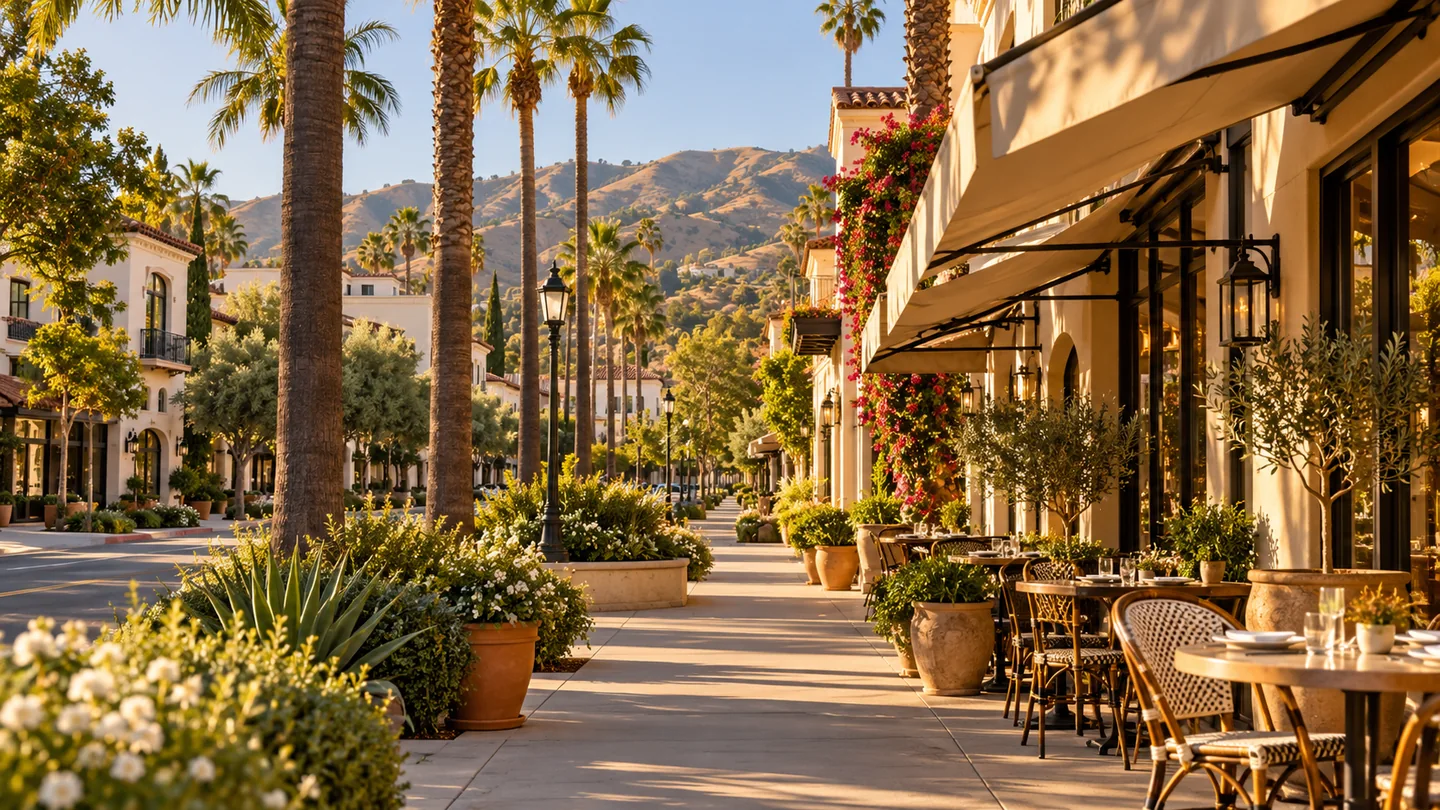
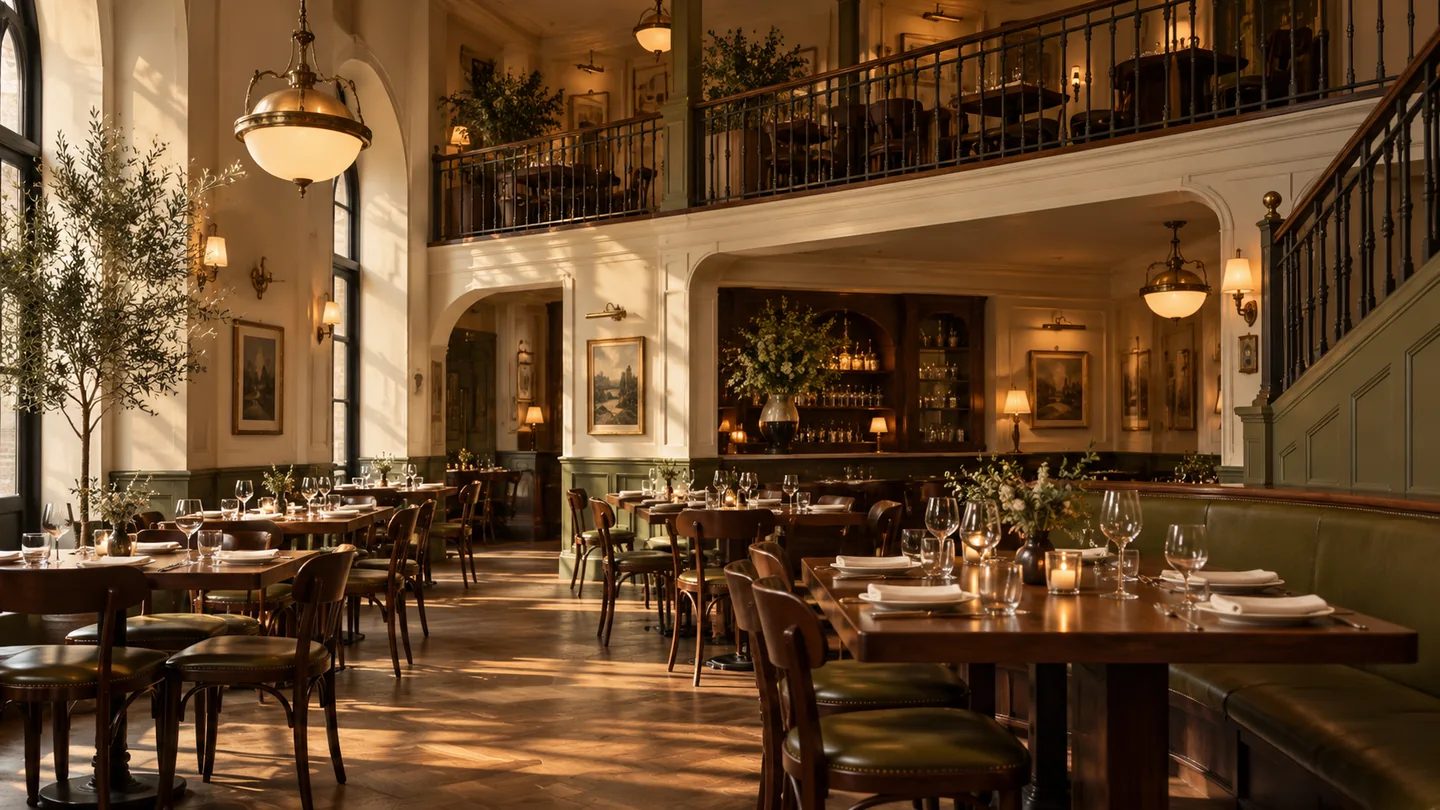
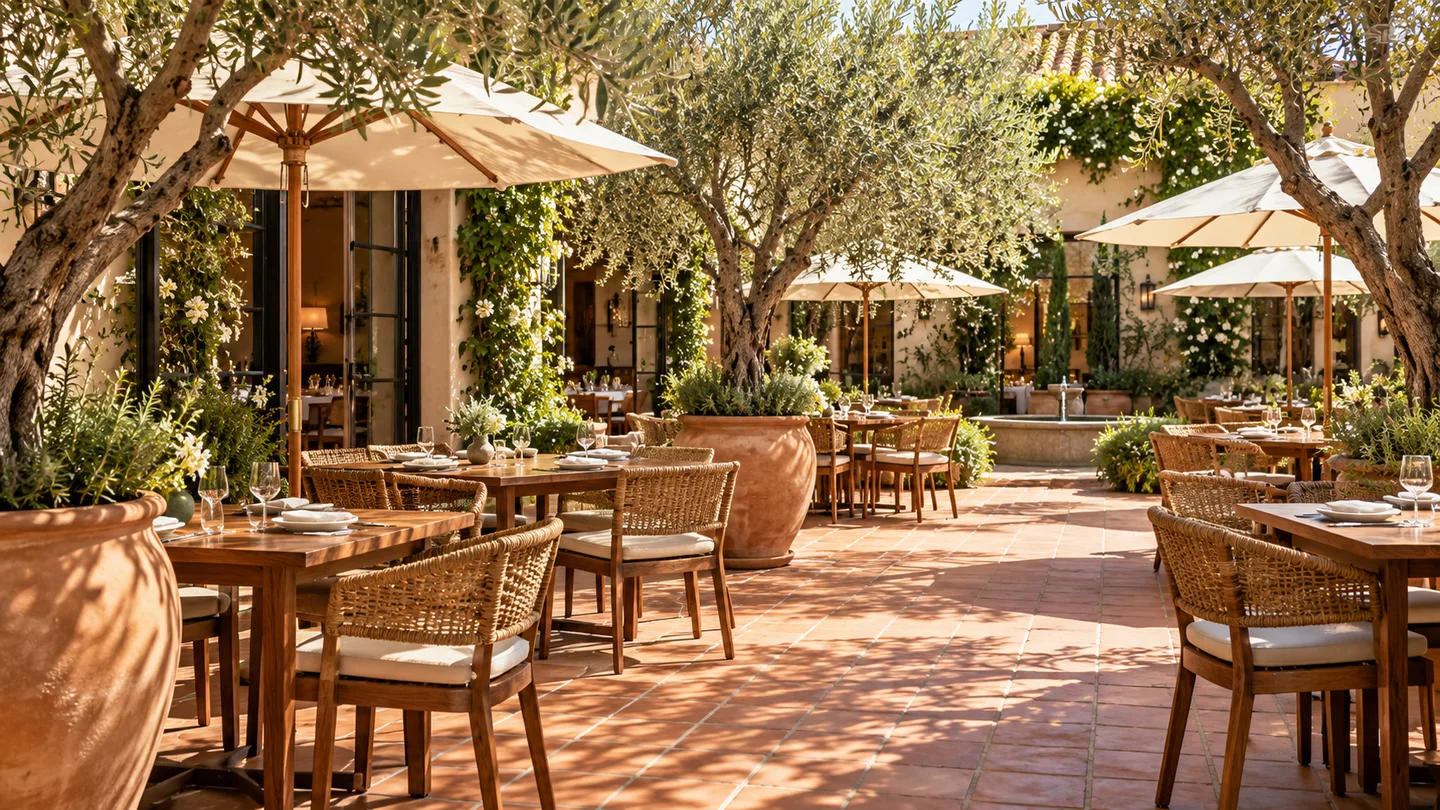
Images communicate a mood quickly, which makes careful labeling important. The illustrations on this publication are not authenticated photographs of the historical Bleecker Street restaurant. They cannot establish its actual patio, furnishings, guests, or architectural details.
Historical restaurant descriptions can still be useful when their limits are clear. A dated source might document outdoor seating at one point in a business's life; it cannot establish current availability. That distinction is part of our Tarzana restaurant retrospective and our broader approach to dining information.
A good setting gives people fewer reasons to think about the setting. They can read, hear, sit comfortably, and enjoy the meal. Choosing that setting begins with practical questions about the table and the time, then leaves room for the atmosphere to do its quieter work.